Skip to content

Frequency Foundation

Twice the Energy with Half the Stress

Ensure School Year Health Protection for Your Family

As the school year kicks off, ensuring school year health protection for your family is crucial. Many families face the challenge of dealing with illnesses that children bring home from school, such as colds and flu. These illnesses can spread quickly within the household, affecting everyone from kids to grandparents. The result? Disrupted routines, missed workdays, and stress.

At Frequency Research Foundation, we’re committed to helping you maintain your family’s health during this busy time. Our Back to School PhotoAnalysis service is specifically designed to identify and address the root causes of these seasonal illnesses, ensuring a healthier and more harmonious home environment.

Why Back to School Can Be Tough on Health

When children head back to school, they are exposed to new germs in the classroom and on the playground. These germs can easily be brought home, leading to a spike in illnesses that affect the entire family. This can mean more frequent doctor visits, missed school days for kids, and lost productivity for parents. The transition back to school is already a stressful time for many families, and dealing with sickness only adds to the burden.

A Unique Solution for Your Family

Our Back to School PhotoAnalysis service offers a unique approach to health protection by using advanced frequency analysis to detect and eliminate the specific pathogens responsible for your family’s illnesses. This personalized approach helps ensure a quicker recovery, allowing your family to stay on track with their daily routines.

Tailored Care for Lasting Wellness

Our service goes beyond just treating symptoms. By focusing on the underlying causes of illness, we aim to provide long-lasting wellness for you and your loved ones. With over 20 years of experience in frequency research, our methods are both innovative and effective, helping families like yours achieve better health with ease.

Take Action Now

Don’t let back-to-school illnesses disrupt your life. Take advantage of our limited-time offer and enroll in the Back to School PhotoAnalysis service today. At just $99 per person, it’s an investment in your family’s health and peace of mind.

Why You Might Feel Sick After a Vacation and How to Recover Quickly

Vacations are meant to refresh and rejuvenate, but sometimes they leave us feeling the opposite. Many people return from their travels feeling under the weather, battling colds, flu, fatigue, and digestive issues. Why does this happen, and what can you do about it?

Common Post-Vacation Illnesses

Colds and Flu: Traveling exposes you to new environments and close quarters with others, increasing your risk of catching germs.

Digestive Issues: Trying unfamiliar foods and changes in eating schedules can upset your stomach.

Fatigue and Jet Lag: Shifts in time zones and disrupted sleep can leave you feeling exhausted.

Stress and Anxiety: The transition from a carefree vacation back to daily routines can be stressful, weakening your immune system.

A Simple Solution: Our 2-Week PhotoAnalysis Service

To help you bounce back quickly, when you feel sick after vacation, Frequency Research Foundation offers a special 2-week Post-Vacation PhotoAnalysis service. This service is designed to target and eliminate the root causes of post-vacation ailments using advanced frequency analysis.

Benefits of the PhotoAnalysis Service

Quick Recovery: Our personalized frequency treatments help you recover swiftly.

Holistic Approach: We address the underlying issues, ensuring a thorough recovery.

Convenient and Remote: Receive expert care from the comfort of your home.

Special Offer: Only $99

Take advantage of our limited-time offer: a comprehensive 2-week PhotoAnalysis treatment for just $99 per person. Do you feel sick after vacation? Don’t let post-vacation sickness hold you back—start feeling your best today.

Book Your Post-Vacation PhotoAnalysis Now

Managing Stress and Anxiety

If stress and anxiety from transitioning back to your daily routine are affecting you, consider our FRF Coaching Service. Our coaching service helps you manage stress, develop healthy routines, and improve your overall well-being.

Conclusion

Post-vacation sickness can be frustrating, but it doesn’t have to derail your return to daily life. With our specialized PhotoAnalysis service, you can recover quickly and get back to enjoying your routine. Don’t let illness tarnish your vacation memories—take proactive steps to ensure a smooth, healthy transition back home.

For more information and to book your service, visit our Post-Vacation PhotoAnalysis page.

AquaCure Brown’s Gas Creates Remarkable Energy State

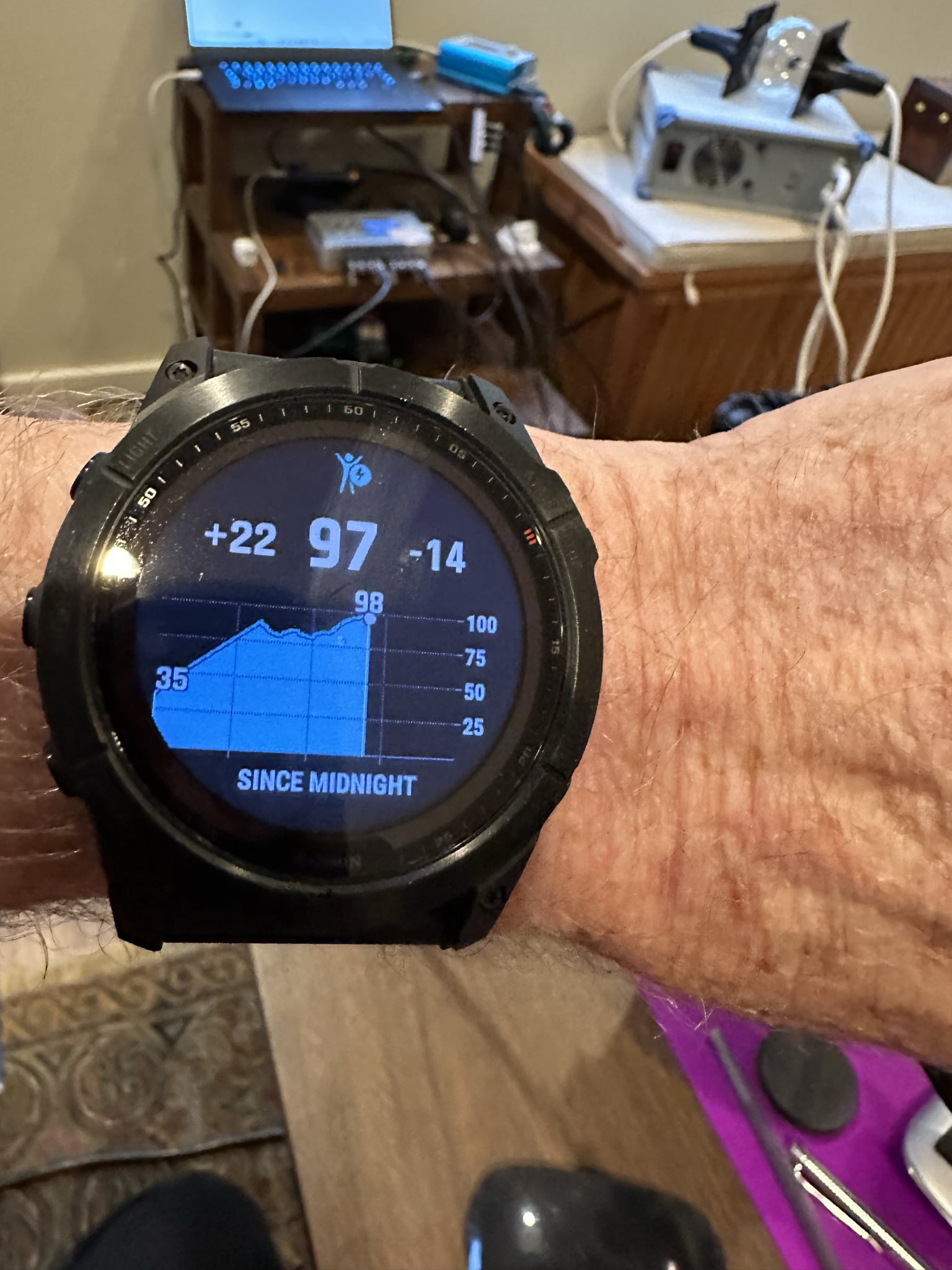
The gold standard for analysis of frequency effects today is 24/7 monitoring of comprehensive biological data of the state of the human body. The Garmin Body Battery metric is a comprehensive analysis of these data to determine energy state of the body which will be increasing or decreasing depending on amount of stress on the body. These effects have been reported on previously.

The AquaCure E50 is a device that produces Brown’s Gas that has remarkable healing properties as well as many other unusual physical effects.

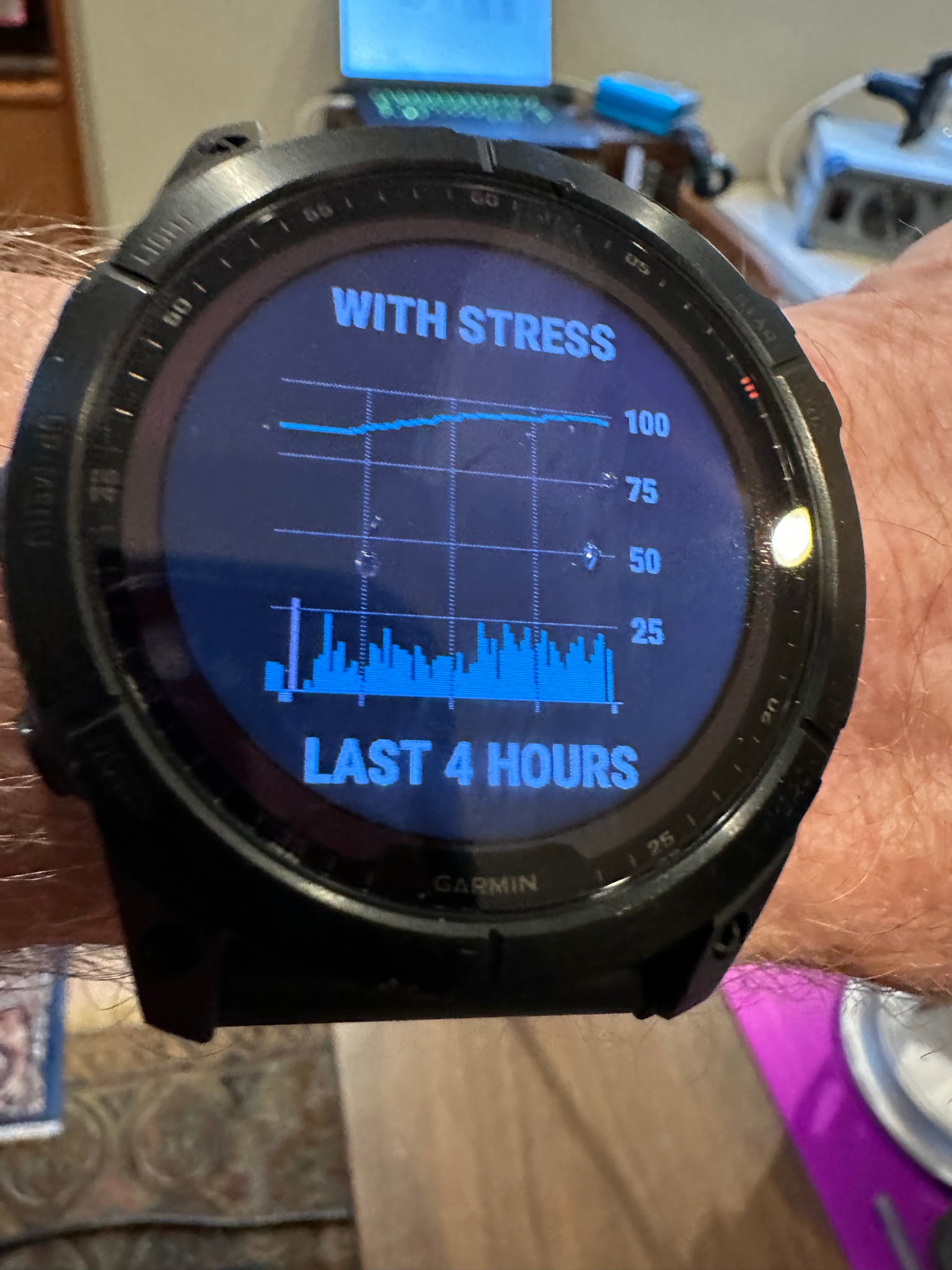
Breathing Brown’s gas today, combined with remote frequencies for eliminating pathogens, provided a dramatic improvement in Body Battery throughout the day along with a radical reduction in stress.

Body battery has been going up since midnight (left image) and is rising over 97 at the end of the working day. The image on the right shows the upper blue line going steadily up for the last four hours with stress levels lower during the day than ever seen before.

These results were achieved after breathing Brown’s gas from the AquaCure E50 for 10 minutes mid-morning and transmitting remote frequencies to eliminate pathogens throughout the day. Previous results show Body Battery declining during the day.

Researchers might try replicating this experiment to see if they can replicate the results. The Garmin Watch is a remarkable biofeedback device to improve health and performance.

Pseudoscience: How the Sugar Industry Used Fake Science (like the Tobacco Industry)

Life Extension Magazine reported on “The Great Sugar Cover-Up” in the October 2017 issue.

Last year, a grisly discovery uncovered the role of the sugar industry in intentionally covering up the lethal dangers of foods and drinks that spike blood glucose levels.

These new revelations, published online on September 12, 2016, by JAMA Internal Medicine, came to light after Dr. Cristin Kearns made a discovery while digging through old, dusty boxes of correspondence in a Harvard library basement.

Dr. Kearns is a dentist-turned-researcher from the University of California-San Francisco. She found letters between a sugar industry group and two famous Harvard nutritionists, Dr. Fredrick Stare and Dr. D. Mark Hegsted—and the fingerprints of collusion were all over them.

Dr. Stare founded the department of nutrition at Harvard in 1942 and was regularly sought out by the media as the expert on healthy eating. Dr. Hegsted was a member of that department, subsequently holding key positions with the US Department of Agriculture and various top advisory bodies.

Dr. Kearns’s paper exposes how Drs. Stare and Hegsted, both now deceased, worked closely with a trade group called the Sugar Research Foundation, which successfully influenced public understanding of sugar’s role in disease.

Dr. Kearns’ deep dive into archives of that era revealed clear evidence that a sugar industry association did more than merely sponsor key review studies on sugar—they controlled them from beginning to end.

The sugar industry association initiated the studies in the first place and influenced their results with the specific goal of eliminating any evidence of sugar as a major risk for coronary heart disease.

If you are worried about “fake news” you might be worried about “fake data.” Over 50% of medical journal articles cannot be replicated by independent scientists.

Over the past two decades the pharmaceutical industry has moved very far from its original high purpose of discovering and producing useful new drugs. Now primarily a marketing machine to sell drugs of dubious benefit, this  industry uses its wealth and power to co-opt every institution that might stand in its way, including the US Congress, the FDA, academic medial centers, and the medical profession itself. (Marcia Angell, former editor the The New England Journal of Medicine)

The Right Type of Exercise Increases Capillary Circulation and Reduces Cancer Risk

After using a ROM exercise machine for a year, I am understanding better the importance of blood flow in capillaries. Most aerobic exercise is of long duration and strengthens certain muscle groups. This increases blood flow in the exercised muscles and reduces blood flow in the rest of the body.
Reducing capillary blood flow in cells through overtraining specific muscle groups has many side effects. One of the most interesting to me is the use of the 4-hit model of carcinogenesis in the diagram above. Dr. John Bailar and I wrote the first paper in 1980 that documented this as the standard model of cancer. Reducing capillary blood flow lowers the number of white cells flowing in and around cells and increased the risk of cancer (among other things.
A review of the literature on plasma circulation on the ROM site is useful. If you are interesting a ROM machine, contact the Frequency Research Foundation at info@frequencyfoundation.com.

Take Olive Oil Instead of Ibuprofen

A Kitchen Staple With Pharmaceutical-Grade Power

In 2005, a research team led by Paul Breslin at the Monell Chemical Senses Center in Philadelphia made a discovery that should have changed how every household thinks about olive oil. They found that extra-virgin olive oil contains a compound called oleocanthal that acts as a natural COX-1 and COX-2 inhibitor — the exact same mechanism by which ibuprofen reduces pain and inflammation.

As Breslin stated: “Structurally it’s not similar, but pharmacologically it’s very similar.”

The finding, published in Nature (2005, Vol. 437, p. 45), demonstrated that approximately 50 millilitres (about 3.5 tablespoons) of extra-virgin olive oil per day provides an anti-inflammatory dose equivalent to a low-dose ibuprofen regimen. The difference is that olive oil delivers this effect through food rather than a pharmaceutical, without the gastrointestinal side effects, kidney risks, and cardiovascular concerns associated with long-term NSAID use.

When we published this in 2005, it was one more piece of evidence supporting a principle central to the Frequency Research Foundation’s work: the most powerful health interventions are often the simplest, and many pharmaceutical effects can be achieved through nutrition.


How Oleocanthal Works

To understand why olive oil can replace ibuprofen as a daily anti-inflammatory, you need to understand the COX enzyme pathway that both substances target.

The COX-1 and COX-2 Pathway

Cyclooxygenase enzymes — COX-1 and COX-2 — are responsible for producing prostaglandins, a family of molecules that mediate inflammation, pain, and fever. When tissue is damaged or infected, COX enzymes ramp up prostaglandin production, which triggers the swelling, redness, and pain of inflammation.

Ibuprofen works by blocking both COX-1 and COX-2, reducing prostaglandin production and thereby reducing inflammation and pain. This is effective but comes with trade-offs: COX-1 also produces prostaglandins that protect the stomach lining and support kidney function, which is why long-term ibuprofen use can cause gastrointestinal bleeding, ulcers, and kidney damage.

Oleocanthal inhibits the same COX-1 and COX-2 enzymes through a different molecular mechanism. While ibuprofen and oleocanthal are structurally unrelated — they look nothing alike at the molecular level — they produce remarkably similar pharmacological effects. The key difference is delivery: oleocanthal arrives in the body as part of a whole food matrix containing hundreds of other beneficial compounds, rather than as an isolated synthetic molecule.

The Throat Sting Test

Breslin’s team initially noticed oleocanthal because of a distinctive peppery sting that high-quality extra-virgin olive oil produces at the back of the throat. This sting, familiar to anyone who has tasted a fresh, high-quality EVOO, turns out to be caused by oleocanthal activating the same pain receptor (TRPA1) that ibuprofen stimulates in the throat. The stronger the throat sting, the higher the oleocanthal content — and the greater the anti-inflammatory potency.

This gives consumers a simple, built-in quality test: if your olive oil does not produce a peppery sting at the back of the throat, it likely has low oleocanthal content and minimal anti-inflammatory benefit.


Beyond COX Inhibition: Oleocanthal’s Full Range of Effects

Since the original 2005 Breslin study, research on oleocanthal has expanded significantly. COX inhibition turns out to be just one of several mechanisms through which this compound protects health.

Anti-Cancer Activity

Multiple laboratory studies have demonstrated that oleocanthal selectively kills cancer cells while leaving healthy cells intact. It appears to destabilize lysosomal membranes specifically in cancer cells, triggering programmed cell death. This selectivity is remarkable and distinguishes oleocanthal from most chemotherapy agents, which damage healthy cells alongside cancerous ones.

Neuroprotective Effects

Oleocanthal has been shown to enhance the clearance of amyloid beta from the brain — the toxic protein that accumulates into the characteristic plaques of Alzheimer’s disease. It does this by upregulating the production of proteins involved in amyloid transport across the blood-brain barrier, effectively helping the brain flush out the molecular debris that drives neurodegeneration.

This finding directly connects olive oil consumption to Alzheimer’s prevention through a mechanism distinct from its anti-inflammatory effects. Oleocanthal does not just reduce the inflammation that worsens Alzheimer’s — it actively helps the brain remove the toxic proteins that cause it.

Joint and Cartilage Protection

Research has shown that oleocanthal reduces the production of nitric oxide and other inflammatory mediators in cartilage cells, suggesting protective effects against osteoarthritis and other inflammatory joint conditions. For people who currently use ibuprofen for chronic joint pain, transitioning to high-oleocanthal olive oil provides similar anti-inflammatory relief with added systemic benefits rather than systemic risks.


Olive Oil and Alzheimer’s Disease

The connection between olive oil and brain health extends well beyond oleocanthal alone. Extra-virgin olive oil is a cornerstone of the Mediterranean diet, which has been consistently associated with reduced Alzheimer’s risk in large population studies.

Multiple Mechanisms of Brain Protection

Oleocanthal’s COX inhibition reduces the chronic neuroinflammation that drives Alzheimer’s progression. This is the same foundational mechanism we describe in our article Eliminating Inflammation Is a Top Priority for Disease Prevention — chronic inflammation is the common thread in virtually every major chronic disease, and olive oil provides a daily, food-based strategy for managing it.

Oleocanthal’s amyloid clearance enhancement directly addresses the hallmark pathology of Alzheimer’s — plaque accumulation. The polyphenols in extra-virgin olive oil (including hydroxytyrosol and oleuropein) provide potent antioxidant protection for neuronal cell membranes, complementing the structural protection provided by DHA from fish oil. The monounsaturated fats in olive oil support cerebrovascular health, maintaining the blood flow the brain depends on.

The Mediterranean Diet Pattern

Olive oil does not work in isolation. Its most powerful effects are observed as part of the broader Mediterranean dietary pattern that also includes regular fish consumption, moderate red wine, abundant vegetables and fruits, and minimal processed food. Each of these elements contributes anti-inflammatory and neuroprotective effects.

Our other nutritional articles cover these complementary strategies in detail. Fish consumption reduces Alzheimer’s risk by 60% and fish oil prevents Alzheimer’s disease cover the omega-3 side of neuroprotection. Red Wine Cuts Alzheimer’s Risk by 45% covers resveratrol’s complementary anti-inflammatory and amyloid-clearing effects. Together with olive oil’s oleocanthal, these nutritional strategies form a comprehensive dietary approach to Alzheimer’s prevention.

For the complete picture of how nutrition works alongside frequency therapy, infection management, and brain wave restoration, read our complete guide to Alzheimer’s disease and frequency therapy.


2025 Update: 20 Years of Oleocanthal Research

Since the Breslin study was published in 2005, oleocanthal research has grown from a single Nature paper into a substantial body of evidence spanning anti-inflammatory, anti-cancer, and neuroprotective applications.

The PREDIMED Trial

The most significant population-level evidence for olive oil’s health effects came from the PREDIMED trial (Prevención con Dieta Mediterránea), a large randomized controlled trial in Spain. Participants assigned to a Mediterranean diet supplemented with extra-virgin olive oil had significantly lower rates of cardiovascular events and, in subsequent analyses, showed better cognitive function and reduced incidence of dementia compared to controls. This was not an observational study — it was a randomized intervention, providing stronger evidence than epidemiological data alone.

Oleocanthal Content Varies Dramatically

Research has revealed that oleocanthal content varies enormously between different olive oils. Factors that affect oleocanthal content include olive variety (some cultivars produce significantly more oleocanthal than others), harvest timing (earlier harvest generally produces higher oleocanthal levels), processing method (cold-pressed, first extraction preserves more oleocanthal), and freshness (oleocanthal degrades over time, especially when exposed to heat and light).

This means that not all olive oils provide meaningful anti-inflammatory benefit. The cheap, refined, or old olive oils common on supermarket shelves may contain little to no oleocanthal.

Long-Term NSAID Risks Have Become Clearer

Since 2005, the risks of long-term NSAID use have become better documented. Chronic ibuprofen use is now clearly associated with increased risk of gastrointestinal bleeding and ulcers, kidney damage and chronic kidney disease, elevated cardiovascular risk (particularly at higher doses), and disruption of gut microbiome health. These risks make the case for food-based anti-inflammatory alternatives even stronger than when we first published this article.


Choosing the Right Olive Oil: Quality Is Everything

The anti-inflammatory benefit of olive oil depends entirely on quality. A poor-quality olive oil may provide calories and monounsaturated fat but little to no oleocanthal.

What to Look For

Extra-virgin is non-negotiable. Only extra-virgin olive oil (EVOO) retains significant oleocanthal content. “Virgin,” “pure,” “light,” and “olive oil” grades have been processed in ways that destroy most of the beneficial compounds. Look for a harvest date on the bottle, not just an expiration date. Olive oil is best consumed within 12-18 months of harvest. A bottle without a harvest date is likely old.

The throat sting test is your best indicator of oleocanthal content. High-quality EVOO should produce a noticeable peppery, slightly burning sensation at the back of the throat. If it tastes bland or greasy with no sting, the oleocanthal content is low. Single-origin, estate-bottled oils from reputable producers are generally more reliable than mass-market blends. Store olive oil in a dark glass bottle away from heat and light to preserve oleocanthal content.

Daily Dosage

The Breslin study identified approximately 50 ml (3.5 tablespoons) per day as an effective anti-inflammatory dose. This is easily achievable by using EVOO as your primary cooking and dressing fat — drizzling it on salads, vegetables, bread, and finished dishes. Cooking at moderate temperatures preserves most of the oleocanthal, though high-heat frying degrades it. For maximum oleocanthal benefit, use olive oil raw or add it to dishes after cooking.


How Olive Oil and Frequency Therapy Work Together

Olive oil’s oleocanthal provides daily, food-based anti-inflammatory action through the COX pathway. Frequency therapy addresses inflammation through a completely different mechanism — targeting the pathogens, toxins, and electromagnetic disruptions that trigger inflammatory cascades in the first place.

These approaches are not redundant. They are complementary layers.

Oleocanthal manages day-to-day inflammatory signaling at the biochemical level, reducing the background level of chronic inflammation. Frequency therapy targets the root causes — eliminating the chronic infections that drive persistent immune activation, supporting detoxification of inflammatory toxins, and restoring healthy brain wave patterns through 40 Hz gamma stimulation.

Think of oleocanthal as turning down the volume on inflammation while frequency therapy addresses why the volume was turned up in the first place. Both are necessary for optimal results.

Looking for a comprehensive anti-inflammatory strategy combining nutrition with frequency therapy? Dr. Jeff Sutherland offers personalized paid consultations to identify your specific inflammatory triggers and develop a multi-layered protocol. Book Your Consultation


Frequently Asked Questions


Take the Next Step

Replacing daily ibuprofen with high-quality extra-virgin olive oil is one of the simplest, most evidence-based health improvements anyone can make. It provides comparable anti-inflammatory action while adding neuroprotective, anti-cancer, and cardiovascular benefits — with none of the gastrointestinal, kidney, or cardiovascular risks of chronic NSAID use.

For a comprehensive approach that combines nutritional anti-inflammatory strategies with frequency therapy to address the root causes of chronic inflammation, a consultation with Dr. Jeff Sutherland can help you develop a personalized protocol.

Book Your Consultation with Dr. Jeff Sutherland


This article is part of our comprehensive Alzheimer’s resource library. Oleocanthal in olive oil provides daily neuroprotection through COX inhibition and amyloid clearance support. Read our complete guide to Alzheimer’s disease and frequency therapy for the full scope of anti-inflammatory, nutritional, and frequency-based strategies for brain health.


© Frequency Research Foundation. This content is for educational and informational purposes only. It is not intended to diagnose, treat, cure, or prevent any disease. Always consult with qualified healthcare professionals before discontinuing any medication.

Stress Equals Illness: Better Do Something About It

The Molecular Proof That Stress Makes You Sick

Stress equals illness. That is not a metaphor. It is a measurable, molecular reality documented by researchers at some of the world’s leading institutions.

When we first published this article in 2004, groundbreaking research from Ohio State University was demonstrating for the first time how chronic stress causes disease at the molecular level. Two decades later, the evidence has only grown more alarming. Chronic stress does not just make you feel bad — it ages your immune system, accelerates neurodegeneration, promotes cancer, drives cardiovascular disease, and creates the conditions for virtually every chronic illness to take hold.

The good news is that stress is modifiable. And for those already experiencing the health consequences of chronic stress, frequency therapy offers a pathway to address the damage at its source.


The Ohio State Research: Stress Ages the Immune System

The research that prompted this article came from an extraordinary collaboration at Ohio State University between Dr. Ronald Glaser, a viral immunologist, and Dr. Janice Kiecolt-Glaser, a psychologist. By working across disciplines, they uncovered the specific molecular mechanism by which chronic stress translates into disease.

The Alzheimer’s Caregiver Study

Their study population was particularly revealing: people who care for a spouse suffering from Alzheimer’s disease. These caregivers, who were on average 70 years old, live under enormous, unrelenting stress — emotional, physical, and logistical — often for years without relief.

The findings were stark. The immune systems of these Alzheimer’s caregivers were clearly and measurably compromised compared to age-matched controls.

Dr. Kiecolt-Glaser summarized the implications directly: “What we know about stress is that it’s probably even worse than we thought.”

The IL-6 Discovery

The researchers’ most significant finding focused on interleukin-6 (IL-6), a cytokine — a signaling molecule produced by white blood cells. Under normal circumstances, IL-6 plays a beneficial role in cell communication and immune coordination. But in large and persistent doses, IL-6 becomes destructive.

Chronic elevation of IL-6 slows the body’s return to normal after stressful events. It has been directly linked to arthritis, cardiovascular disease, delayed wound healing, and cancer. IL-6 is also now recognized as a key driver of chronic neuroinflammation — the same persistent brain inflammation that drives Alzheimer’s disease progression.

The most alarming finding was what chronic stress did to IL-6 levels. Dr. Glaser reported that the highly stressed Alzheimer’s caregivers — people in their 70s — had IL-6 levels equivalent to those seen in 90-year-old control subjects. Chronic stress had effectively aged their immune systems by approximately 20 years.

This is not gradual wear and tear. This is accelerated biological aging driven by a measurable molecular mechanism. And its implications extend far beyond the caregiver population.


How Chronic Stress Destroys Health: The Cascade

The Ohio State research identified IL-6 as a key mediator, but IL-6 is just one component of a broader stress-disease cascade that has been documented in detail since 2004.

The Cortisol Problem

When the body perceives stress — whether physical danger, emotional conflict, work pressure, or caregiving burden — the adrenal glands release cortisol. In short bursts, cortisol is beneficial: it increases alertness, mobilizes energy, and suppresses non-essential functions to help you respond to the threat.

The problem is chronic elevation. When stress is persistent, cortisol remains elevated for weeks, months, or years. Chronically elevated cortisol suppresses immune function, leaving the body vulnerable to infections that would otherwise be contained. It promotes visceral fat accumulation, which itself produces inflammatory cytokines including IL-6. It disrupts sleep architecture, impairing the brain’s nightly cleanup processes. It directly damages the hippocampus — the brain’s memory center — causing measurable brain atrophy. It impairs insulin sensitivity, promoting metabolic syndrome and type 2 diabetes.

The Hippocampal Connection to Alzheimer’s

The hippocampal damage from chronic cortisol elevation is particularly relevant to Alzheimer’s disease. The hippocampus is the brain region most vulnerable to Alzheimer’s pathology — it is where memory loss begins. Chronic stress-induced cortisol exposure shrinks the hippocampus, reduces its ability to form new memories, and makes it more vulnerable to the neuroinflammatory processes that characterize Alzheimer’s.

This means that chronic stress is not just a risk factor for Alzheimer’s — it directly accelerates the specific brain changes that define the disease. For Alzheimer’s caregivers, this creates a cruel paradox: the stress of caring for a loved one with Alzheimer’s may increase the caregiver’s own risk of developing the same disease.

The Inflammation Amplification Loop

Chronic stress does not just cause inflammation — it amplifies existing inflammation from other sources. If you have a chronic infection (Lyme, mycoplasma, herpes simplex virus), chronic stress makes the inflammatory response to that infection worse. If you have environmental toxic exposure (glyphosate, aluminum), chronic stress impairs the detoxification pathways needed to manage it. If you have elevated homocysteine or other metabolic risk factors, chronic stress compounds their effects.

This amplification effect is why stress management is not optional for anyone pursuing a comprehensive health strategy. Our article Eliminating Inflammation Is a Top Priority for Disease Prevention covers the broader framework for understanding inflammation as the master driver of chronic disease.


2026 Update: What 20 Years of Stress Research Has Revealed

Since this article was first published, stress research has produced some of the most important discoveries in medicine — connecting stress to biological aging, epigenetic changes, and brain structure in ways that were only beginning to be understood in 2004.

Telomere Research: Stress Literally Shortens Your Life

In 2004, Dr. Elizabeth Blackburn (who later won the Nobel Prize) and Dr. Elissa Epel published a landmark study demonstrating that chronic psychological stress accelerates telomere shortening. Telomeres are the protective caps on the ends of chromosomes — they shorten naturally with age, and when they become critically short, cells stop functioning properly and die.

The Blackburn and Epel study found that mothers caring for chronically ill children — a high-stress population comparable to Alzheimer’s caregivers — had significantly shorter telomeres than age-matched controls. The most stressed mothers showed telomere shortening equivalent to approximately 10 additional years of biological aging.

This was the first direct evidence that psychological stress accelerates biological aging at the chromosomal level. It transformed stress from a subjective experience into a measurable biological process.

Epigenetic Changes From Stress

Research since 2004 has demonstrated that chronic stress causes epigenetic modifications — changes in gene expression that do not alter the DNA sequence itself but alter which genes are turned on or off. Stress-induced epigenetic changes can upregulate inflammatory genes, downregulate genes involved in immune surveillance and DNA repair, and be passed to subsequent generations.

This means that chronic stress does not just affect the stressed individual — it can create a biological legacy of increased disease vulnerability in their children and grandchildren.

Brain Imaging Reveals Stress Damage

Advanced neuroimaging studies have now documented that chronic stress causes measurable brain atrophy — particularly in the hippocampus and prefrontal cortex. These changes are visible on MRI and correlate with cognitive decline, impaired decision-making, and increased vulnerability to neurodegenerative disease. The damage is proportional to both the intensity and duration of stress exposure.

The ACE Study: Childhood Stress and Lifelong Disease

The Adverse Childhood Experiences (ACE) study, one of the largest public health studies ever conducted, demonstrated that early-life stress creates dramatically elevated risk for virtually every major chronic disease in adulthood — including heart disease, cancer, autoimmune conditions, and neurodegenerative disease. Each additional adverse childhood experience increased disease risk in a dose-response relationship.

COVID and the Global Stress Epidemic

The COVID-19 pandemic created a global natural experiment in chronic stress. Isolation, fear, economic disruption, and caregiving burden affected billions of people simultaneously. Post-pandemic data shows elevated rates of cardiovascular events, immune dysfunction, cognitive complaints, and accelerated biological aging across populations — consistent with what the Ohio State research predicted in 2004. Our article COVID Accelerated Aging Solutions: Reversing Pandemic’s Hidden Impacts addresses frequency-based approaches to pandemic-related health damage.


Practical Stress Management Strategies

Understanding the molecular damage that stress causes is the first step. Taking action to reduce stress and mitigate its effects is the essential follow-up.

Evidence-Based Approaches

Regular physical activity is one of the most potent stress-mitigation tools available. Exercise lowers cortisol, reduces IL-6, improves sleep quality, and promotes neuroplasticity in the hippocampus — directly counteracting stress damage. Sleep quality is not a luxury — it is a biological necessity. During sleep, the brain’s glymphatic system clears metabolic waste including amyloid beta. Chronic stress disrupts sleep, impairing this critical clearance process. Prioritizing sleep hygiene is a direct neuroprotective strategy.

Social connection and meaningful relationships buffer the stress response at the hormonal level, reducing cortisol output and moderating IL-6 production. Isolation amplifies stress; connection counteracts it. Mindfulness and meditation practices have been shown in randomized controlled trials to reduce cortisol levels, lower inflammatory markers, and even slow telomere shortening. Time in nature (forest bathing, outdoor exercise) reduces cortisol and sympathetic nervous system activation measurably within as little as 20 minutes.

Nutritional Support for Stress Resilience

Anti-inflammatory nutrition directly counteracts the inflammatory cascade that stress amplifies. Omega-3 fatty acids from fish oil reduce IL-6 and other inflammatory cytokines — our articles on fish consumption reducing Alzheimer’s risk and fish oil preventing Alzheimer’s disease cover this evidence. Vitamin C supplementation lowers C-reactive protein, another inflammatory biomarker elevated by chronic stress — see Vitamin C Supplements Lower C-Reactive Protein Levels. Extra-virgin olive oil provides daily anti-inflammatory action through oleocanthal — see Take Olive Oil Instead of Ibuprofen. B vitamin supplementation supports homocysteine metabolism, which is disrupted by chronic stress — see Homocysteine, Heart Disease, and Alzheimer Disease.


How Frequency Therapy Addresses Stress Damage

Stress management strategies reduce the input. Frequency therapy addresses the damage that has already occurred and the conditions that chronic stress creates.

Targeting Stress-Activated Infections

Chronic stress suppresses immune function, allowing dormant infections — Lyme, mycoplasma, herpes simplex virus — to reactivate and cause symptoms. Frequency therapy can target these reactivated infections directly, eliminating the pathogens that chronic stress has allowed to flourish. Our articles on Lyme disease and mycoplasma cover these infection-stress interactions.

Reducing Neuroinflammation

40 Hz gamma frequency stimulation has been shown to modulate microglial behavior in the brain — shifting chronically activated immune cells from their destructive state back to their protective function. For people whose chronic stress has triggered persistent neuroinflammation, this frequency-based intervention directly addresses the brain inflammation that cortisol and IL-6 elevation cause.

Restoring Healthy Brain Function

Chronic stress disrupts the brain’s normal oscillatory patterns. Frequency therapy can support the restoration of healthy brain wave activity, including the gamma oscillations that are diminished in both chronic stress and Alzheimer’s disease.

For the complete picture of how frequency therapy, nutrition, and infection management work together to protect the brain, read our complete guide to Alzheimer’s disease and frequency therapy.

Chronic stress is accelerating your biological aging. Dr. Jeff Sutherland offers personalized paid consultations to assess the health impact of stress on your system — including reactivated infections and neuroinflammation — and develop a targeted frequency protocol. Book Your Consultation


Frequently Asked Questions


Take the Next Step

Chronic stress is not something to push through or ignore. It is a measurable, molecular process that ages your immune system, damages your brain, and creates the conditions for disease. If you have been under sustained stress — whether from caregiving, work, health challenges, or life circumstances — the effects may already be accumulating.

A consultation with Dr. Jeff Sutherland can assess the health impact of chronic stress on your system, identify infections that stress may have reactivated, and develop a targeted frequency protocol to address the damage.

Book Your Consultation with Dr. Jeff Sutherland →


This article is part of our comprehensive Alzheimer’s resource library. Chronic stress is a significant and modifiable risk factor for Alzheimer’s disease. Read our complete guide to Alzheimer’s disease and frequency therapy for the full scope of research on infections, toxins, nutrition, stress, and frequency-based treatment approaches.


© Frequency Research Foundation. This content is for educational and informational purposes only. It is not intended to diagnose, treat, cure, or prevent any disease. Always consult with qualified healthcare professionals regarding medical conditions and stress management.
Eliminating inflammation is a top priority for disease prevention

The Root of All Evil

In 2003, Professor Emad El-Omar, a gastroenterologist at the University of Aberdeen, made a statement that captured what researchers across multiple fields were beginning to understand: “I personally believe that chronic inflammation is the root of all evil.”

He was not exaggerating. Over the previous decade, inflammation had been implicated as both a cause and an accelerating factor in a growing number of widespread and seemingly unrelated diseases — atherosclerosis, Alzheimer’s disease, and multiple types of cancer among them.

When we published this article in 2003, we made two core assertions. First, that eliminating inflammation should be the top priority for anyone serious about disease prevention. Second, that applying the right electromagnetic frequencies to the organisms driving inflammation could not only prevent infectious disease but radically reduce the risk of chronic diseases.

Twenty-two years later, both assertions have been validated by an enormous body of research. Chronic inflammation is now recognized as the central mechanism in virtually every major chronic disease. And frequency-based approaches to managing inflammation are gaining scientific support.


What Is Chronic Inflammation — And Why Is It Different?

Inflammation itself is not the enemy. Acute inflammation is the body’s essential first line of defense. When a finger catches the sharp edge of an envelope, when pollen is inhaled, when a virus finds a new host — the body responds through inflammation. This process involves a molecular cascade orchestrated by chemokines and other biochemicals of the innate immune system, eventually engaging immune cells and antigens involved in adaptive immunity.

Under normal circumstances, this response resolves quickly. The threat is eliminated, the inflammatory signals shut down, the tissue heals. End of story.

The problem begins when inflammation does not resolve. When the trigger persists — a chronic infection the immune system cannot fully clear, ongoing exposure to environmental toxins, sustained psychological stress, or a diet that continuously promotes inflammatory signaling — the inflammatory response becomes chronic. It shifts from being a protective, short-term response to being a destructive, long-term state.

Chronic inflammation is fundamentally different from acute inflammation in its effects. Acute inflammation heals. Chronic inflammation destroys. It damages blood vessel walls, contributing to atherosclerosis and heart disease. It disrupts cellular DNA repair mechanisms, promoting cancer development. It degrades neuronal connections in the brain, driving Alzheimer’s disease and other neurodegenerative conditions. It impairs insulin signaling, contributing to type 2 diabetes. It erodes joint tissue, driving arthritis and chronic pain.

The insidious aspect of chronic inflammation is that it often operates silently. There may be no obvious symptoms — no redness, no swelling, no fever. The damage accumulates gradually over years and decades, only becoming apparent when it manifests as a diagnosed disease.


The Inflammation-Alzheimer’s Connection

Of all the diseases linked to chronic inflammation, the connection to Alzheimer’s disease has become one of the most thoroughly documented. This is directly relevant to our work at the Frequency Research Foundation.

Neuroinflammation Drives the Disease

Chronic inflammation in the brain — neuroinflammation — is now recognized not merely as a secondary effect of Alzheimer’s disease but as a primary driver of its progression. The brain’s immune cells, called microglia, become chronically activated and shift from their protective role (clearing debris and pathogens) to a destructive state (releasing inflammatory molecules that damage healthy neurons).

This chronic microglial activation is triggered and sustained by multiple factors. Chronic infections in the brain, including herpes simplex virus, drive ongoing immune activation. Our article Alzheimer’s and Herpes Simplex Virus details how HSV-1 DNA is found in 90% of Alzheimer’s plaques. Environmental toxins like aluminum nanoparticles and glyphosate trigger persistent inflammatory responses in brain tissue. Our articles on nano aluminum creating chronic infections and glyphosate increasing Alzheimer’s risk explore these pathways. Elevated homocysteine promotes vascular inflammation that extends to the brain. Homocysteine, heart disease, and Alzheimer disease covers this biomarker in detail. Mycoplasma and other chronic infections that cross the blood-brain barrier create ongoing inflammatory burden. Our mycoplasma research is documented in Mycoplasma: A Key Component in Lyme and Other Diseases.

Every one of these inflammatory triggers is addressed in our complete guide to Alzheimer’s disease and frequency therapy.

The Amyloid-Inflammation Cycle

Recent research has revealed that the relationship between inflammation and Alzheimer’s is cyclical and self-reinforcing. Chronic infections and toxins trigger neuroinflammation. The inflamed brain produces amyloid beta as part of its antimicrobial defense response. The accumulating amyloid itself triggers further inflammatory signaling. This additional inflammation causes more neuronal damage and more amyloid production. The cycle accelerates over years until clinical symptoms emerge.

Breaking this cycle — by eliminating the infections driving inflammation, removing the toxic triggers, and calming the inflammatory response itself — is the most promising strategy for both preventing and slowing Alzheimer’s disease. This is exactly what a comprehensive frequency therapy approach aims to do.


How the Science Has Evolved Since 2003

When we published this article, the connection between chronic inflammation and disease was a growing area of research but not yet mainstream. Today, it is arguably the most studied topic in chronic disease biology.

Inflammation Biomarkers Are Now Standard

C-reactive protein (CRP), a blood marker of systemic inflammation, is now routinely measured in cardiovascular risk assessment. High-sensitivity CRP testing can detect low-grade chronic inflammation that standard tests miss. Our article Vitamin C Supplements Lower C-Reactive Protein Levels covers a simple, evidence-based strategy for reducing this critical biomarker. Interleukin-6 (IL-6) and tumor necrosis factor-alpha (TNF-α) are now well-characterized inflammatory mediators linked to multiple chronic diseases. These were relatively obscure in 2003; today, they are the targets of billion-dollar drug development programs.

The Gut-Brain Inflammation Axis

One of the most significant discoveries since 2003 is the gut-brain axis — the bidirectional communication system between the gut microbiome and the brain. Gut inflammation, driven by dietary factors, infections, and environmental toxins like glyphosate, can trigger neuroinflammation through multiple pathways including the vagus nerve, circulating inflammatory cytokines, and a compromised intestinal barrier (“leaky gut”).

This discovery has profound implications. It means that inflammation in the gut — caused by poor diet, glyphosate-contaminated food, chronic gut infections, or dysbiosis — can directly contribute to Alzheimer’s disease and other neurodegenerative conditions without the inflammatory trigger ever being present in the brain itself. Managing gut health is therefore an integral part of managing brain health.

Anti-Inflammatory Nutrition Has Been Validated

The role of diet in managing chronic inflammation has been extensively documented since 2003. The Mediterranean diet, rich in olive oil, fish, fruits, vegetables, and moderate wine consumption, has been shown to reduce inflammatory markers and lower dementia risk in multiple large studies.

Several specific foods and nutrients in our Alzheimer’s content cluster have direct anti-inflammatory mechanisms. Omega-3 fatty acids from fish produce specialized pro-resolving mediators that actively shut down inflammation. Our articles on fish reducing Alzheimer’s risk by 60% and fish oil preventing Alzheimer’s cover this evidence. Oleocanthal in extra virgin olive oil has anti-inflammatory potency comparable to ibuprofen. Our article Take Olive Oil Instead of Ibuprofen explores this research. Resveratrol from red wine suppresses NF-κB, a master regulator of inflammatory genes. Red Wine Cuts Alzheimer’s Risk by 45% covers the evidence.


How Frequency Therapy Addresses Chronic Inflammation

When we wrote in 2003 that “any inflammation detected should be eliminated immediately by applying the right electromagnetic frequency to the organism,” we were describing an approach that was far ahead of its time. Today, the science of bioelectromagnetic effects on inflammation is an active and growing field of research.

Frequency therapy addresses chronic inflammation through multiple mechanisms.

Targeting the Source: Pathogen Elimination

Much chronic inflammation is driven by persistent infections — organisms the immune system cannot fully clear. By applying targeted frequencies to specific pathogens, the infectious trigger of inflammation can be addressed directly. When the pathogen is eliminated, the immune system’s reason for maintaining the inflammatory response is removed, allowing the inflammation to resolve naturally.

This is fundamentally different from anti-inflammatory drugs, which suppress the inflammatory response without addressing what is causing it. Suppressing inflammation while leaving the infection in place can actually be counterproductive — the inflammation exists for a reason. The frequency approach eliminates the reason.

Supporting Resolution Pathways

Research has revealed that the resolution of inflammation is not simply the absence of pro-inflammatory signals — it is an active, coordinated process driven by specialized molecules (resolvins, protectins, maresins) and specific cellular behaviors. Frequency therapy may support these resolution pathways, helping the body complete the inflammatory cycle rather than becoming stuck in a chronic state.

Reducing Toxic Burden

Environmental toxins that drive chronic inflammation — including aluminum, heavy metals, and chemical contaminants — can be addressed through frequency protocols that support the body’s detoxification pathways. Reducing the toxic load removes a persistent inflammatory trigger.

Brain-Specific Applications

For neuroinflammation specifically, 40 Hz gamma frequency stimulation has been shown to modulate microglial behavior — shifting chronically activated microglia from their destructive state back to their protective, debris-clearing state. This is one of the most direct applications of frequency therapy to Alzheimer’s-related neuroinflammation. Our articles on 40 Hz gamma stimulation and replacing the missing gamma frequency cover this science in detail.

Chronic inflammation is the common thread running through virtually every major disease. Dr. Jeff Sutherland offers personalized paid consultations to identify the specific inflammatory triggers in your case — infections, toxins, metabolic factors — and develop a targeted frequency protocol to address them. Book Your Consultation


Practical Anti-Inflammatory Strategies You Can Start Today

While frequency therapy addresses inflammation at the electromagnetic level, several evidence-based nutritional and lifestyle strategies can reduce inflammatory burden immediately.

Nutritional Priorities

Increase omega-3 fatty acid intake through fatty fish (salmon, sardines, mackerel) at least twice per week and/or high-quality fish oil supplementation emphasizing DHA. Use extra virgin olive oil as your primary cooking and dressing fat — the oleocanthal it contains provides meaningful anti-inflammatory activity. Minimize processed foods, refined sugars, and industrial seed oils (soybean, corn, sunflower), which promote inflammatory signaling. Eat a diet rich in colorful vegetables and fruits, which provide polyphenols and antioxidants that counter oxidative stress and inflammation. Consider vitamin C supplementation, which has been shown to lower CRP levels.

Lifestyle Factors

Chronic psychological stress drives inflammation through sustained cortisol elevation and sympathetic nervous system activation. Our article Stress Equals Illness: Better Do Something About It covers the mechanisms and practical steps for managing stress-driven inflammation. Regular physical activity is one of the most potent anti-inflammatory interventions available — consistent moderate exercise reduces CRP, IL-6, and TNF-α levels. Sleep quality directly affects inflammatory markers. Chronic sleep deprivation elevates inflammatory cytokines and impairs the brain’s nightly glymphatic clearance of metabolic waste, including amyloid beta.


Frequently Asked Questions


Take the Next Step

Chronic inflammation is the common mechanism underlying heart disease, Alzheimer’s, cancer, and most chronic diseases. Eliminating it requires identifying and addressing the specific triggers — whether they are infections, environmental toxins, nutritional deficiencies, or metabolic dysfunction.

A consultation with Dr. Jeff Sutherland provides a comprehensive assessment of your inflammatory triggers and a personalized frequency protocol designed to address them at the source, not just suppress the symptoms.

Book Your Consultation with Dr. Jeff Sutherland


This article is part of our comprehensive Alzheimer’s resource library. Chronic neuroinflammation is a primary driver of Alzheimer’s disease progression. Read our complete guide to Alzheimer’s disease and frequency therapy for the full scope of research, from 40 Hz gamma science to infection management and personalized frequency protocols.


© Frequency Research Foundation. This content is for educational and informational purposes only. It is not intended to diagnose, treat, cure, or prevent any disease. Always consult with qualified healthcare professionals regarding medical conditions.