Skip to content

Frequency Foundation

Twice the Energy with Half the Stress

Mycoplasma Fementans Incognitus Frequencies Version 1.0

United States Patent5,242,820
LoSeptember 7, 1993

Pathogenic Mycoplasma (Mycoplasma Fermentans Incognitus)

Abstract
The invention relates to a novel pathogenic mycoplasma isolated from patients with Acquired Immune Deficiency Syndrome (AIDS) and its use in detecting antibodies in sera of AIDS patients, patients with AIDS-related complex (ARC) or patients dying of diseases and symptoms resembling AIDS diseases. The invention further relates to specific DNA sequences, antibodies against the pathogenic mycoplasma, and their use in detecting DNA or antigens of the pathogenic mycoplasma or other genetically and serologically closely related mycoplasmas in infected tissue of patients with AIDS or ARC or patients dying of symptoms resembling AIDS diseases. The invention still further relates to a variety of different forms of vaccine against mycoplasma infection in humans and/or animals.


Inventors:Lo; Shyh-Ching (Potomac, MD)
Assignee:American Registry of Pathology (Washington, DC)
Family ID:27401851
Appl. No.:07/710,361
Filed:June 6, 1991

Related U.S. Patent Documents

Application NumberFiling DatePatent NumberIssue Date
265920Nov 2, 1988
875535Jun 18, 1986

Other References

Marquart et al (1985) Mycoplasma-Like Structures . . . Eur J Clin Microbiol 4(1):73-74. .
Lo et al (1989) A Novel Virus-like Infectious Agent . . . Am J Trop Med Hyg 40(2):213-226. .
Lo et al (1989) Identification of M Incognitus . . . Am. J. Trop-Med. Hyg 41(5):601-616. .
Lo et al (1989) Association of the Virus-like Agent . . . Am J Trop Med Hyg 41(3):364-376. .
Lo et al (1989) Fatal Infection of Silvered Leaf Monkeys . . . Am. T Trop Med Hyg 40(4):399-409. .
Lo et al (1989) Virus-like Infectious Agent . . . Am J Trop Med Hyg 41(5):586-600. .
Marquart et al (Feb. 1985) Abstract Only Eur J Clin Microbiol 4(1):73-74. .
Hu et al (1990) Gene 93:67-72..

Primary Examiner: Nucker; Christine M.
Assistant Examiner: Preston; D. R.
Attorney, Agent or Firm: Venable, Baetjer, Howard & Civiletti


Government Interests
The invention described herein was made in the course of work under a grant or award from the United States Department of the Army.


Parent Case Text
CROSS-REFERENCE TO RELATED APPLICATIONS
This is a continuation-in-part of U.S. patent application Ser. No. 265,920, filed Nov. 2, 1988, now abandoned, which is a continuation-in-part of U.S. patent application Ser. No. 875,535, filed Jun. 18, 1986, now abandoned.


Claims
What is claimed is:
1. A biologically pure mycoplasma isolated from tissues of patients with AIDS comprising the mycoplasma produced by the cell line ATCC No. CRL 9127.
2. A biologically pure mycoplasma having the identifying characteristics of M. fermentans incognitus, ATCC 53949.


Description
BACKGROUND OF THE INVENTION

1. Field of the Invention

The present invention relates to a novel strain of mycoplasma isolated from a patient with AIDS. The mycoplasma is closely related to a species of human mycoplasma, M. fermentans. Upon characterization of this mycoplasma, it may be classified as a unique strain within the species M. fermentans incognitus. This novel strain of nycoplasma is referred to hereinafter as the incognitus strain or M. fermentans incognitus.

The invention also relates to use of the mycoplasma M. fermentans incognitus as well as all strains of M. fermentans in detecting specific antibodies in sera of patients with AIDS or an acute fulminant systemic disease and/or animals and its use as a vaccine against infection by the mycoplasma. The invention further relates to incognitus strain-specific antibodies and cross-reactive which later break up into individual cells that are capable of passing through membrane filters of pore size 0.45 .mu.m or even 0.22 .mu.m.


Those with Lyme disease may already be aware of this coinfection. It appears to be circulating with the 2017 flu causing extended periods of serious illness. Frequencies are available to subscribers.

Lyme Disease Persisters – Borrelia

The Biofilm frequency sets include many strains of borrelia which tend to cause increased blood pressure. Heat (hot bath 119 degrees or infrared lamp) dropped blood pressure to normal. Further investigator indicated that borrelia biofilms were disabled by heat and frequency sets were developed to target these organisms. Repeated application of biofilm frequencies normalized blood pressure for short periods. Only with application of one of the antibiotics in the second paper below did blood pressure normalize for extended periods.

[trx_button type=”square” style=”filled” size=”small” align=”center” link=”https://www.frequencyfoundation.com/product/biofilms-version-6-0/” popup=”no” top=”inherit” bottom=”inherit” left=”inherit” right=”inherit”]Biofilm Frequencies – Version 6.0[/trx_button]

Lyme Disease May Linger for 1 in 5 Because of “Persisters”

By Melinda Wenner Moyer in Scientific American on September 1, 2015

Lyme disease is a truly intractable puzzle. Scientists used to consider the tick-borne infection easy to conquer: patients, diagnosed by their bull’s-eye rash, could be cured with a weeks-long course of antibiotics. But in recent decades the U.S. Centers for Disease Control and Prevention has realized that up to one in five Lyme patients exhibits persistent debilitating symptoms such as fatigue and pain, known as post-treatment Lyme disease syndrome, and no one understands why. The problem is growing. The incidence of Lyme in the U.S. has increased by about 70 percent over the past decade. Today experts estimate that at least 300,000 people in the U.S. are infected every year; in areas in the Northeast, more than half of adult black-legged ticks carry the Lyme bacterial spirochete, Borrelia burgdorferi. Although the issue is far from settled, new research lends support to the controversial notion that the disease lingers because these bacteria evade antibiotics—and that timing drug treatments differently could eliminate some persistent infections…

Identification of novel activity against Borrelia burgdorferi persisters using an FDA approved drug library. Jie Feng, Ting Wang, Wanliang Shi, Shuo Zhang, David Sullivan, Paul G Auwaerter and Ying Zhang. Emerging Microbes and Infections (2014) 3, e49; doi:10.1038/emi.2014.53; published online 2 July 2014

Although antibiotic treatment for Lyme disease is effective in the majority of cases, especially during the early phase of the disease, a minority of patients suffer from post-treatment Lyme disease syndrome (PTLDS). It is unclear what mechanisms drive this problem, and although slow or ineffective killing of Borrelia burgdorferi has been suggested as an explanation, there is a lack of evidence that viable organisms are present in PTLDS. Although not a clinical surrogate, insight may be gained by examining stationary-phase in vitro Borrelia burgdorferi persisters that survive treatment with the antibiotics doxycycline and amoxicillin. To identify drug candidates that can eliminate B. burgdorferi persisters more effectively, we screened an Food and Drug Administration (FDA)-approved drug library consisting of 1524 compounds against stationary-phase B. burgdorferi by using a newly developed high throughput SYBR Green I/ propidium iodide (PI) assay. We identified 165 agents approved for use in other disease conditions that had more activity than doxycycline and amoxicillin against B. burgdorferi persisters. The top 27 drug candidates from the 165 hits were confirmed to have higher anti-persister activity than the current frontline antibiotics. Among the top 27 confirmed drug candidates from the 165 hits, daptomycin, clofazimine, carbomycin, sulfa drugs (e.g., sulfamethoxazole), and certain cephalosporins (e.g. cefoperazone) had the highest anti-persister activity. In addition, some drug candidates, such as daptomycin and clofazimine (which had the highest activity against non-growing persisters), had relatively poor activity or a high minimal inhibitory concentration (MIC) against growing B. burgdorferi. Our findings may have implications for the development of a more effective treatment for Lyme disease and for the relief of long-term symptoms that afflict some Lyme disease patients.

Mosquitos and the West Nile Virus Version 3.0

Madeline Drexler does a fascinating piece of work in her book, Secret Agents, on the outbreak of the West Nile Virus in New York in 1999 where it tooks weeks to find out what virus was killing birds and people. Finally, on 22 September 1999, a CDC scientist loaded samples of the virus genome into a machine that automatically sequenced the DNA strands. The next morning, he submitted strings of genetic code over the internet to the National Library of Medicine GenBank and got a hit on the West Nile Virus.

Frequencies of pathogens are related to DNA. It is a lot faster and easier to determine a frequency sequence and then search gigabytes of data in the Frequency Research Foundation database than it is to spend weeks trying to culture a virus. A pathogen can often be identified within a few minutes.

After returning from long European trip in June 2016, I woke up at night with a pain in my chest. Testing for frequencies, then scanning the database, showed I was infected with the West Nile Virus. I then tested my dog who was sleeping with me and he had obviously picked up the virus in the Massachusetts woods while I was away.

Frequencies for several strains of West Nile Virus needed to be run to clear up the dog and me. All strains with their latest updates are posted on the Frequency Foundation subscribers site.

In addition, frequencies were transmitted to eliminate mosquitos from the woods where he stayed while I was gone using the Frequency Foundation mosquito service which requires only a small fee per month.

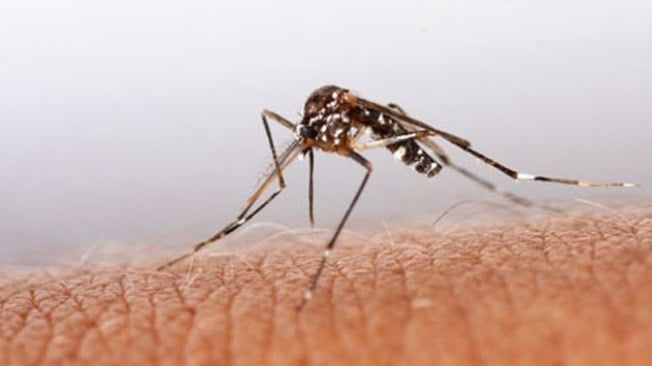
Mosquitos transmit many pathogens that have been found in my area:

  • Lyme disease
  • Zika virus
  • West Nile Virus
  • etc.

A few years ago my wife picked up a shingles infection from a mosquito bite on a houseboat in Amsterdam. I was bitten by many malaria infested mosquitos in India earlier this year. Getting rid of the mosquitos is a lot less painful than dealing with the infections.

Our research shows that every mosquito species transmits a signature pathogen into the human body and targeting that organism in the mosquito causes the mosquito to die. Our database has frequencies for hundreds of species of mosquitos, ticks, and flies gathered over the last decade with the help of many clients and fellow researchers.

Apparently, once you are infected with a mosquito’s signature pathogen it stays there for life unless removed with frequencies. Then you become a tender morsel for mosquitos with that frequency sequence. This explains why mosquitos love specific individuals.

USGS CDC West Nile Virus 8 Aug 2014
While there is only animal West Nile Virus activity reported in Massachusetts, a client picked up a strain in Whole Foods in 2014 so there are unreported human cases. West Nile is a nasty virus so it is good to have updated frequencies on hand.
Mosquito’s transmitting West Nile Virus can be found all over the United States. This virus has been part of the lyme series since 2005 and was an important component of the swine flu which distributed it everywhere.
Fox News 29 June 2012
According to the Mayo Clinic, humans can become infected with West Nile after being bitten by an infected mosquito.  Mosquitoes contract the virus when they feed on infected birds. While there have been no reported human cases yet, officials recommend taking the necessary precautions to prevent the virus – such as using insect repellent outdoors, especially from dusk until dawn, and wearing long pants and long sleeved shirts.
 
People should also make sure their door and window screens are not broken, health officials said; and to stop mosquitoes from breeding, they should empty any standing water that might have collected in garden pots, pools or trash.
 
Frequency Research Foundation Mosquito Research Program
 
For the past decade fellow researchers have worked with the Frequency Research Foundation to identify frequencies that will make over 150 species of mosquitos go away, including those mosquitos carrying the West Nile Virus.
Specific areas can be targeted for a small monthly fee. Contact info@frequencyresearch.com
Previous West Nile Virus Experience
A client fell down three times in one week incurring some serious scrapes and brushes. Photoanalysis showed she had mosquito frequencies. The specific species of mosquito was targeted for removal of material injected by the mosquito and removal of the mosquito species from the area around her home.
A hadoscan showed low energy spots in her body from the mosquito frequencies and particularly along her spine. West Nile Virus can become a neurological infection which would explain the falling episodes.

Following application of the mosquito frequencies, an unidentified virus in the Lyme program set was discovered. Suspecting that this might be West Nile Virus, an electron microscope photo of the virus was analysed. An exact match was confirmed.

Another client thought he was dying. Application of these frequencies for 12 hours brought him back to normal.


Stanford Magazine – New Tick Organism/Lyme in California

PESTS POSE DOUBLE THREAT
In the spring, a young man’s fancy turns to thoughts of love; a young tick’s to thoughts of lunch. (Which, should he happen to be an outdoorsy type, could well be that young man.) Prodigious in wooded and grassy areas and in sandy soil near rivers, ticks carry several pathogens that can be transmitted to humans via their bite. The best-known isBorrelia burgdorferi, the microorganism that causes Lyme disease, which initially presents as flu-like symptoms and, left untreated, can cause persistent joint pain, cognitive deficits and, in rare cases, cardiac arrhythmia. But there are others. In 2010, the National Academy of Sciences Institute of Medicine called ticks “the Swiss Army knife of disease vectors.”
In a study published in March in the journal Emerging Infectious Disease, Dan Salkeld, a disease ecology research associate at the Woods Institute for the Environment, encountered a newly identified human pathogen, Borrelia miyamotoi, along with B. burgdorferi, in nearly all the Bay Area recreation areas he and his collaborators examined. B. miyamotoi had previously been known to infect ticks, but it was only in 2013 that the first human cases in the United States were reported, and those were in New England. Given that little is known about the transmissibility of B. miyamotoi from ticks to humans and its health consequences, it’s possible that other cases may have gone undiagnosed.
Stanford students taking the Conservation Medicine in Practice course taught by Salkeld and Woods senior fellow Eric Lambin in the spring of 2012 aided the research effort by collecting tick samples from the Jasper Ridge Biological Preserve and neighboring communities. Salkeld then expanded the study to include a total of 12 locations in Santa Cruz, Santa Clara, San Mateo, Marin, Mendocino and Contra Costa counties. Across all sites, 3.6 percent of the ticks were infected with Borrelia species, a relatively low prevalence compared with Northeastern states. Still, the Lyme-causing variant, B. burgdorferi, was detected at four sites, while B. miyamotoi was found at seven sites.
The surprising findings are “an important step toward dispelling the perception that you cannot acquire Lyme disease in California,” says Ana Thompson, executive director of the Bay Area Lyme Foundation, which funded the research.See also:

Human Borrelia miyamotoi Infection in the United States

N Engl J Med 2013; 368:291-293January 17, 2013DOI: 10.1056/NEJMc1215469
Article
Citing Articles (16)

To the Editor:

Borrelia miyamotoi, a spirochete that is genetically related to the species of borrelia that cause relapsing fever, has been detected in all tick species that are vectors of Lyme disease.1,2 It was detected in Ixodes scapularis ticks from Connecticut in 2001 and subsequently has been detected in all areas of the United States where Lyme disease is endemic. The first human cases of B. miyamotoi infection were reported in Russia in 2011.3 We now provide evidence of B. miyamotoiinfection and the prevalence of this infection among people in the United States.

Update: Lyme Frequencies Version 11.0

Infected tick areas – American Lyme Foundation
Version 11.0 is the annual update of lyme frequencies that now consist of 30 independent programs with many thousands of frequencies. Documentation is included to help get started with these programs.
The American Lyme Disease Foundation has a new iPhone app that shows prevelance of infected ticks in your location. The Lyme disease application for iPhones has been developed by ALDF in collaboration with Yale School of Public Health and US Centers for Disease Control. 
“Lyme Disease Tick Map” became available on the Apple iTunes store on April 30, 2010 amid outstanding reviews. The application includes information on the abundance of infected ticks at the location of the user (within the US) as determined by GPS. If ticks are determined to be present, the user is given a list of precautions to avoid tick-bites. A tick identification chart is provided with life-size photos of black-legged ticks (also called deer ticks) so that each life stage can be determined, since some stages cannot transmit Lyme disease. If bitten by a tick, instructions on how to properly remove a tick are provided along with a narrated video. The application also provides life-sized photos of ticks at various stages of blood engorgement and advises patients to seek medical attention if a removed tick is determined to have been attached for 48 hours or longer. 
Lyme disease can be transmitted after 48 hours of feeding by an infected tick and most physicians will treat such patients with a short course of antibiotics to prevent Lyme disease. A panel of skin rash photos characteristic of Lyme disease, along with other symptoms, prompts users to seek immediate medical attention if they are infected. A physician locater finds doctors nearest to the user, again using GPS location, and provides the phone number and directions to each physician’s office. Content for the application was provided by Lyme disease researchers at Yale University in cooperation with the US Centers for Disease Control, the American, Academy of Pediatrics, the Infectious Diseases Society of America, and Intuwin, an applications development company based in New York City. It is available through the Apple iTunes Store for $1.99. Proceeds will be used for support the research and education mission of ALDF.
A new video “Under Our Skin” and its sequel show the devastating effect lyme disease is having in the U.S. Most people are unaware that lyme is becoming a global pandemic. Virtually everyone is infected with some lyme organisms and research on the video indicates that 100% of many patients with chronic diseases (multiple sclerosis, alzheimer’s, parkinson’s, etc.) are infected with the lyme borrelia spirochete. These frequency sets can help everyone as they have evolved to incorporate almost every major virus, bacteria, mycoplasma, and fungi (candida) circulating in the U.S. and European populations.
Thousands of updates have been added to the latest lyme frequency sets. In addition to new organisms, many earlier frequency sets have been expanded, and many of them updated to reduce herxheimer effects. There are now 30 programs in the complete lyme set.
Please send notes on any bugs you find to info@frequencyfoundation. com and the set will be updated as soon as possible. Frequencies are downloadable on the subscribers site as a ZIP file which includes documentation (PDF).

Lyme disease and its co-infections are increasingly recognized as contributors to cognitive decline and neurodegeneration. Our complete guide to Alzheimer’s disease and frequency therapy explores this connection in detail, alongside environmental risk factors, nutritional strategies, and brain-specific frequency protocols.

Related reading:

Recent Research on Lyme Disease

Lyme Disease Is Not What Most Doctors Think It Is

The conventional understanding of Lyme disease — a tick-borne infection caused by Borrelia burgdorferi, producing a bull’s-eye rash and treatable with a few weeks of antibiotics — represents only a fraction of the clinical reality. Research that the Frequency Research Foundation has been tracking for over two decades paints a far more complex and consequential picture.

Lyme disease is now considered one of the fastest growing infectious diseases in the world. In the United States alone, estimates suggest at least 200,000 new cases per year, with some researchers believing that as many as one in fifteen Americans may be currently infected. The disease can mimic dozens of other conditions, it may spread through routes beyond tick bites, and it has been linked to neurodegenerative diseases including Alzheimer’s and Parkinson’s.

This article brings together key research findings that challenge the conventional narrative and explain why Lyme disease deserves far more attention — and far more sophisticated treatment — than it currently receives.


The Spirochete: A Uniquely Dangerous Organism

Borrelia burgdorferi, the spirochete responsible for Lyme disease, is not an ordinary bacterium. Its corkscrew shape allows it to burrow into tendons, muscle cells, ligaments, and directly into organs — including the brain. This invasive capability is what makes Lyme disease so devastating and so difficult to eradicate.

The Disease Mimicry Problem

One of the most significant challenges with Lyme disease is its ability to mimic other conditions. Research has documented Lyme presenting as or contributing to amyotrophic lateral sclerosis (ALS), Parkinson’s disease, multiple sclerosis, Bell’s palsy, reflex sympathetic dystrophy, neuritis, psychiatric illnesses including schizophrenia, chronic fatigue syndrome, heart failure, angina, irregular heart rhythms, fibromyalgia, dermatitis, autoimmune diseases such as scleroderma and lupus, eye inflammatory reactions, sudden deafness, ADD and hyperactivity, and chronic pain syndromes.

This extraordinary range of presentations means that many people carrying active Lyme infections are being treated for other diagnoses — receiving medications that address symptoms but not the underlying infectious cause. The implications for healthcare costs and patient outcomes are enormous.

Cell Wall Deficiency: The Stealth Factor

Dr. Lida Mattman, biology professor and author of Cell Wall Deficient Forms: Stealth Pathogens, demonstrated a critical characteristic of Borrelia burgdorferi that explains much of its treatment resistance. The spirochete can survive and spread in a cell wall deficient (CWD) form — essentially shedding its cell wall to evade both the immune system and antibiotics.

Many of the most valuable antibiotics work by targeting bacterial cell walls. When Borrelia shifts to its cell wall deficient form, these antibiotics become ineffective. The organism persists in the body despite treatment, capable of reverting to its active spirochete form when conditions are favorable.

This parallels what we observe with mycoplasma — another cell wall deficient organism that plays a central role in chronic Lyme disease. Our articles Mycoplasma: A Key Component in Lyme and Other Diseases and Mycoplasma – Why the Lyme Flu Goes On and On cover this critical co-infection in detail.


Transmission: Beyond the Tick Bite

One of the most significant and controversial findings in Lyme research involves potential routes of transmission beyond the standard tick bite narrative.

Evidence for Broader Transmission

Dr. Mattman’s research demonstrated the recovery of live Borrelia spirochetes from mosquitoes, fleas, mites, semen, urine, blood, and spinal fluid. This suggests that the organism is present in multiple body fluids and potentially transmissible through routes that conventional Lyme guidance does not acknowledge.

Dr. Robert Rowen documented a family in which a mother’s Lyme infection appeared to spread to five of her six children, all of whom recovered with appropriate therapy. As Dr. Howenstine noted in his analysis, it is difficult to believe that all of these children were bitten by infected ticks — person-to-person transmission within the family is a more plausible explanation.

Dr. Mattman stated directly: “I’m convinced Lyme disease is transmissible from person to person.”

These findings, while debated within the medical community, have significant implications. If Lyme can spread through routes beyond tick bites, the actual number of infected individuals may be far higher than official estimates — and the approaches to prevention and screening need to be fundamentally reconsidered.


Lyme and Neurodegenerative Disease: The Critical Connection

Perhaps the most alarming finding in Lyme research is the connection to neurodegenerative disease. This is directly relevant to the Frequency Research Foundation’s work on Alzheimer’s disease.

Dr. Mattman’s Findings

Dr. Mattman’s laboratory work produced extraordinary results when testing patients with neurodegenerative conditions for Borrelia. She recovered Borrelia spirochetes from 8 out of 8 cases of Parkinson’s disease tested, from 41 cases of multiple sclerosis, from 21 cases of amyotrophic lateral sclerosis, and from all tested cases of Alzheimer’s disease.

In 1995, Dr. Mattman obtained positive cultures for Borrelia from 43 of 47 persons with chronic illness — a 91% positivity rate — while only 1 of 23 healthy control patients tested positive.

These findings suggest that Borrelia burgdorferi may be far more prevalent in neurodegenerative disease than conventional medicine recognizes. If confirmed at scale, the implications are staggering: a significant proportion of cases diagnosed as Parkinson’s, MS, ALS, and Alzheimer’s may have an underlying infectious component that is being completely missed — and that is potentially treatable.

Recovery From “Terminal” Conditions

Dr. Howenstine reported that several patients with terminal amyotrophic lateral sclerosis achieved complete recovery after receiving appropriate Lyme disease treatment. This finding, while based on small numbers, underscores the critical importance of testing for Borrelia in patients with neurodegenerative diagnoses.

If even a fraction of neurodegenerative disease cases involve treatable Borrelia infections, the failure to test for Lyme in these patients represents a significant clinical oversight.

The Broader Infectious Theory of Alzheimer’s

Dr. Mattman’s findings regarding Borrelia in Alzheimer’s patients align with a growing body of evidence implicating chronic infections in Alzheimer’s disease. As documented in our article Alzheimer’s and Herpes Simplex Virus, herpes simplex virus type 1 DNA has been found in 90% of Alzheimer’s plaques. Mycoplasma and other chronic infections add additional layers of neuroinflammatory burden.

The emerging picture is that Alzheimer’s disease may, in many cases, be driven by a combination of chronic infections — viral, bacterial, and mycoplasmal — that sustain the neuroinflammation and amyloid accumulation characteristic of the disease. Our complete guide to Alzheimer’s disease and frequency therapy covers this multi-pathogen theory and the frequency-based approaches designed to address it.


2026 Update: What Has Changed Since This Article Was Published

Lyme disease research has advanced significantly, and several of the findings discussed in this article have been reinforced or expanded by subsequent work.

Chronic Lyme Is Now More Widely Acknowledged

The existence of persistent Lyme disease symptoms after standard treatment — long denied by much of the medical establishment — is now more widely acknowledged. The term “Post-Treatment Lyme Disease Syndrome” (PTLDS) is used in mainstream literature, though the Frequency Research Foundation’s position remains that ongoing symptoms typically reflect ongoing infection (including co-infections like mycoplasma) rather than a mysterious post-infectious syndrome.

Borrelia Persistence Confirmed

Multiple studies have now confirmed that Borrelia can persist in the body despite antibiotic treatment. Research published in journals including PLOS ONE and the Journal of Clinical Microbiology has demonstrated the survival of Borrelia in various tissue types after antibiotic courses — confirming what Dr. Mattman documented decades earlier with her cell wall deficient forms.

The Lyme-Alzheimer’s Connection Gains Support

The broader infectious theory of Alzheimer’s disease — which encompasses Borrelia alongside HSV-1, mycoplasma, and other pathogens — has gained substantial mainstream support since this article was published. Major research institutions now investigate the role of chronic infections in neurodegeneration, and the concept that amyloid beta functions as an antimicrobial peptide (produced by the brain in response to pathogens) provides a mechanistic framework that accommodates Dr. Mattman’s finding of Borrelia in Alzheimer’s brains.

Lyme Disease Prevalence Continues to Rise

CDC estimates of Lyme disease incidence have been revised upward repeatedly. The agency now acknowledges approximately 476,000 new cases per year in the United States — more than double the earlier estimates cited in the original research. Geographic spread has expanded significantly, with Lyme now reported in all 50 states.

Frequency Protocols Have Advanced

The Frequency Research Foundation’s Lyme disease protocols have been refined continuously. Our latest version, Lyme Frequencies Version 11.0, represents over two decades of development and addresses the full Lyme complex — spirochetes, mycoplasma co-infections, viruses, fungi, and nanobacteria — in a systematic, sequential approach.


Why Frequency Therapy for Lyme Disease

The characteristics that make Lyme disease so difficult to treat with conventional antibiotics — cell wall deficiency, tissue burrowing, intracellular persistence, co-infections — are precisely the characteristics that frequency therapy is designed to address.

Addressing the Full Complex

Standard antibiotic treatment targets Borrelia spirochetes in their active, cell-walled form. It does not address cell wall deficient forms, mycoplasma co-infections, viral co-infections, or fungal co-infections. As Dr. Jeff Sutherland has observed in clinical practice, the spirochetes can be addressed relatively quickly with frequencies, but the complete resolution of Lyme disease requires systematically addressing every organism in the complex.

Reaching Hidden Organisms

Borrelia burgdorferi burrows into tissues, hides inside cells, and converts to cell wall deficient forms that evade standard treatment. Frequencies are not limited by these defense mechanisms — they can reach organisms regardless of their location or form.

Managing Complex Co-Infections

The Lyme disease complex typically involves multiple organisms that interact synergistically. Frequency therapy allows multiple pathogens to be addressed within the same treatment framework, with careful sequencing to manage Herxheimer reactions as organisms are eliminated.

Our article [Cause, Spread, and Therapy of Lyme Disease](INSERT CAUSE SPREAD URL) provides a comprehensive overview of the Lyme disease treatment approach, while the mycoplasma component is covered in detail in our dedicated mycoplasma articles.

Dealing with chronic Lyme, unexplained neurological symptoms, or a neurodegenerative diagnosis? The research suggests that infectious causes — particularly Borrelia and its co-infections — may be a contributing factor. Dr. Jeff Sutherland offers personalized paid consultations to assess your situation and develop a comprehensive frequency protocol. Book Your Consultation


Frequently Asked Questions


Take the Next Step

The research on Lyme disease reveals a picture far more complex and far-reaching than most patients or physicians realize. If you are dealing with chronic Lyme, persistent symptoms after treatment, or a neurodegenerative condition that has not responded to conventional approaches, the infectious component may not have been fully addressed.

Dr. Jeff Sutherland has spent over two decades developing and refining frequency protocols for the complete Lyme disease complex. A paid consultation can assess your specific situation and develop a targeted treatment plan.

Book Your Consultation with Dr. Jeff Sutherland


This article is part of our comprehensive Alzheimer’s resource library. Lyme disease and its co-infections are now recognized as potential contributors to Alzheimer’s and other neurodegenerative conditions. Read our complete guide to Alzheimer’s disease and frequency therapy for the full scope of research on infections, environmental toxins, nutritional strategies, and frequency-based treatment approaches.


© Frequency Research Foundation. This content is for educational and informational purposes only. It is not intended to diagnose, treat, cure, or prevent any disease. Always consult with qualified healthcare professionals regarding medical conditions.
Lyme: It’s not what your doctor is telling you it is!

Lyme Cover Up Rages On
Submitted by Lois Rain on July 1, 2011 – 9:16 pm
What have you heard about tickborne Lyme for the last 30 years? That it’s rare, scary, acute, treatable… The government warns about its spread and implores people to go to a doctor upon seeing the telltale bulls-eye rash. What happens when they actually do?

Many have researched the controversial beginnings of Lyme disease, but this article focuses on what happens to victims when they contract it and what they can do now.
Under Our Skin is a documentary that lends a voice to the many who in fact suffer from chronic Lyme and are victims of a greater abomination.

Why do conventional doctors tell them it’s in their head? Why won’t they quickly test for it? Treat it? Acknowledge it? Why do medical boards shut down doctors who can treat and cure Lyme?

Lyme’s Disease is NOT RARE – Bigger Than AIDS
In the late 70s, a Lyme, Connecticut mom reported a mysterious new disease sweeping the town, leaving its people with debilitating, chronic symptoms. In 1981, Dr. Willy Burgdorfer discovered the Lyme bacteria, called Borrelia burgdorferi.

The bacteria spirochetes closely resemble syphilis in their make up. While a carrier tick is feeding, its backwash enters the host and transmits Lyme. The corkscrew spirochetes wreak havoc, drilling into any healthy cells and tissue. They create painful, crippling neurological and immunological damage.
In the beginning, doctors only knew that it resembled syphilis but remained unaware of its wide spread, how to proceed, and the political, medical clash that awaited them.

In recent years, the CDC has reported over 35,000 new Lyme cases annually but admit that since it is so overlooked the actual number may be 12 times higher, up to 420,000 cases each year.

Think of how much more likely it is to contract Lyme than the media-touted West Nile virus which is only reported at around 1,300 cases annually. If the actual number of Lyme cases is even just a modest amount above the CDC’s 35,000, then Lyme is far more prevalent than AIDS, reported at 39,000 cases annually.

Since 1982, the number of cases continues to climb and spike prompting media reports and health officials to label it epidemic as early as 1989. Reported cases have tripled since 1992. Every summer we hear the same cautionary reports. Yet doctors constantly tell their patients “You don’t have Lyme” or “Lyme only happens in such-and-such state, not here.”

Lyme is a national health crisis in every state and has traveled the globe! Read more …

Lyme Frequencies – Version 6.2

CDC publishes a map of Lyme disease risk showing the gradual spread of Lyme disease across the United States. CDC estimates reported cases are 10% of actual cases, so Lyme disease is a massive epidemic that has spread to other countries as well. Over 50% of the people I now test are positive for Lyme organisms, although many of them may temporarily be asymptomatic. Merck researchers observe Lyme mycoplasma in over 95% of the population.

Lyme disease is unlike any other syndrome on the planet. Alternative practitioners note that it is more difficult to treat than cancer. The reason for this is that it is a complex of thousands of viruses, parasites, fungi, mycoplasma, and other organisms. There is enough published circumstantial evidence to conclude that it is designed to be undetectable in the early stages, untreatable, and eventually, permanently disabling. It is also gets worse if treatment is attempted, a phenomenon observed in the Herxheimer reactions noted by those who try to treat their Lyme disease. Frequencies need to be carefully designed to avoid these reactions as much as possible.

During 1991-2002, the reported incidence of Lyme disease nearly doubled. Most cases continued to occur in northeastern, mid-atlantic, and north-central states, and the largest population of cases continued to be reported among persons aged 5-9 years and 50-59 years, possibly as a result of greater exposure than other groups to infected ticks, less frequent use of personal protective measures, differential use of health-care services, and/or reporting bias. For additional information, visit CDC’s web site at http://www.cdc.gov/ncidod/dvbid/lyme/index.htm.

Analysis of hundreds of people and animals with Lyme disease have produced the latest Frequency Foundation Lyme Disease Version document which has now grown to a small book of over 100 pages. In the latest version, frequencies are published in ready to run F165 programs which can be modified to run on any device. The frequency set is certainly not finished as new Lyme organisms or updates to older frequencies are discovered on a daily basis.

Note: Current Frequency Foundation subscribers can update these lyme sets by downloading Borrelia biofilm frequency sets.

Lastest Upgrade to Lyme Frequencies

Refinement of frequency sets are based on work with hundreds of people and animals on a daily basis for many years. Several new programs and major updates to previous programs are included in the latest version:

• Lyme heart viruses – a group of Lyme viruses tend to proliferate in the heart and cause pain and palpitations in some individuals.
• Lyme stealth organisms – certain organisms take years to detect and are very persistent. Some of them have crippling effects. These have been packaged into a separate program.
• Lyme insects – funded research on insect frequencies has led to the creation of a Lyme insect program. Most of these frequencies are tick frequencies.

In addition, previous programs contain hundreds of new frequencies.

• Lyme mycoplasma – the core of Lyme disease is a mycoplasma bioengineered from weapons grade brucella at Plum Island laboratories [1].
• Lyme viruses – many of these are crippling. Many of the most dangerous viruses in the world were brought to Plum Island for experimentation, the Rift Valley virus from Africa, for example.
• Lyme babesia – there are hundreds of strains of the babesia parasite.
• Lyme parasites – there are many other parasites, many of which are released after killing babesia
• Lyme cells – the Lyme mycoplasma get inside cells and cause genetic mutation. These aberrated cells often cause pain and some can progress to cancer.
• Lyme bacteria – many of the bacteria in Lyme emit neurotoxins. These are what physicians typically treat with antibiotics. Paradoxically, these are the easiest to eliminate with frequencies. Lyme is a much bigger problem than spirochetes which many have discovered after their physician pronounced them cured.
• Lyme rickettsia – variants of this organism cause Rocky Mountain Spotted Fever and other diseases.
• Lyme fungus – these are very difficult to get rid of without frequencies. Some produce toxins which get into cyclic biochemical pathways that prevent elimination without frequencies or special treatment.
• Proteus mirabilis – another pathogen always found in Lyme.
• Gnathastoma spinigerum – another pathogen always found in Lyme.

While sets of the Lyme frequencies can be manually run on any device, they are best run with programmable frequency generators like the F100 series from Atelier Robin due to the length of the programs. Frequency octaves can be created for any device as described in the documentation.

Mycoplasma – Why the Lyme Flu Goes On and On

The Infection That Won’t Quit

Anyone who has experienced chronic Lyme disease knows the pattern. The acute infection is treated — sometimes with antibiotics, sometimes with frequencies — and the spirochetes appear to be addressed. But the fatigue persists. The sinus problems linger. The brain fog refuses to lift. The flu-like symptoms cycle endlessly.

The reason, in many cases, is mycoplasma.

Mycoplasma co-infections are among the most underdiagnosed and undertreated components of the Lyme disease complex. They are the primary reason why many people with Lyme continue to feel sick long after the Borrelia spirochetes have been addressed. Understanding and eliminating mycoplasma is essential for anyone dealing with chronic Lyme and its cascading effects on long-term health — including cognitive decline and neurodegeneration.


What Are Mycoplasma?

Mycoplasma are the smallest known free-living organisms — sitting at the boundary between bacteria and viruses in terms of size and complexity. They are unique among bacteria for one critical reason: they lack a cell wall. This single characteristic makes them exceptionally difficult to treat and extraordinarily persistent.

Why the Lack of a Cell Wall Matters

Most antibiotics, including penicillin and its derivatives, work by attacking bacterial cell walls. Since mycoplasma have no cell wall, these antibiotics are completely ineffective against them. This means that standard Lyme disease antibiotic protocols, which target the cell-walled Borrelia spirochetes, do nothing to address mycoplasma co-infections. The spirochetes may be eliminated while the mycoplasma remain untouched — continuing to cause symptoms that are attributed to “post-treatment Lyme disease syndrome” when they are actually an ongoing, unaddressed infection.

How Mycoplasma Cause Chronic Symptoms

Mycoplasma are parasitic organisms that attach to and invade human cells, living off the host cell’s nutrients and energy resources. They commonly attach to red blood cells, siphoning energy and reducing oxygen delivery throughout the body. This is visible under dark-field microscopy as small spherical forms attached to red blood cells — a hallmark observation that the Frequency Research Foundation has documented extensively.

The energy depletion caused by mycoplasma attachment to red blood cells explains many of the persistent symptoms of chronic Lyme: the crushing fatigue, the excessive need for sleep, the inability to recover normal energy levels despite treatment of the primary spirochete infection.

Mycoplasma also trigger chronic immune activation. The immune system recognizes the mycoplasma as foreign but cannot effectively eliminate them due to their ability to invade cells and modify their surface proteins. This creates a perpetual inflammatory state — the body fighting an infection it cannot resolve — which produces the ongoing flu-like symptoms, joint pain, and malaise characteristic of chronic Lyme.


Mycoplasma in the Lyme Disease Complex

Lyme disease is rarely a single-organism infection. The ticks that transmit Borrelia burgdorferi (the Lyme spirochete) frequently carry multiple co-infections, and the resulting illness is more accurately described as a complex of interacting organisms.

The Key Players

The Lyme disease complex typically involves Borrelia spirochetes as the primary infection, which produce the most immediately disabling neurological and joint symptoms. Mycoplasma species, particularly Mycoplasma fermentans, serve as persistent co-infections that drive chronic fatigue and immune dysfunction. Various viruses contribute to immune suppression and neurological symptoms. Fungal organisms create additional immune burden. The interactions between these organisms are synergistic — each one makes the others more difficult to eliminate and more damaging to the host.

Why Addressing Spirochetes Alone Is Not Enough

Most conventional Lyme disease treatment focuses exclusively on eliminating Borrelia spirochetes with antibiotics. As Dr. Jeff Sutherland has observed in clinical practice, the spirochetes can be addressed relatively quickly with targeted frequencies — often in a matter of hours. However, the more difficult organisms are the viruses, the fungi, and above all the mycoplasma.

The mycoplasma are particularly challenging because they are often infected with nanobacteria — organisms within organisms. Eliminating mycoplasma therefore triggers a nanobacteria Herxheimer reaction as the secondary organisms are released. The primary symptom of nanobacteria infection is the need for excessive amounts of sleep, which is commonly seen in people with chronic Lyme infections and is often mistakenly attributed to the Lyme itself rather than to the co-infection within the co-infection.

This layered complexity is why a systematic approach is essential. At the Frequency Research Foundation, Dr. Jeff Sutherland’s research has focused on systematically disassembling mycoplasma with frequencies that target various parts of the organism and disperse the DNA. There are multiple mycoplasma strains in the Lyme complex, and untangling them all is a nontrivial task that requires careful, sequential treatment.


The Scale of the Problem

The prevalence of pathogenic mycoplasma in the general population is far greater than most people realize. Of the approximately 200 known species of mycoplasma, most are innocuous. However, four or five species are pathogenic to humans, and these have become increasingly widespread.

Widespread Infection

Research from multiple sources suggests that pathogenic mycoplasma now infect a significant portion of the population. Dr. Shyh-Ching Lo, a senior researcher at the Armed Forces Institute of Pathology and one of America’s leading mycoplasma researchers, has documented the connection between Mycoplasma fermentans and numerous chronic diseases. Dr. Lo holds a patent on Mycoplasma fermentans extracted from AIDS patients, and his research links this organism to chronic fatigue syndrome, fibromyalgia, and multiple other conditions.

Dr. Charles Engel of the US National Institutes of Health stated at an NIH meeting on February 7, 2000: “I am now of the view that the probable cause of chronic fatigue syndrome and fibromyalgia is the mycoplasma.”

According to Dr. Lo’s research, pathogenic mycoplasma have been implicated in AIDS, cancer, chronic fatigue syndrome, Crohn’s colitis, type 1 diabetes, multiple sclerosis, Parkinson’s disease, Wegener’s disease, collagen-vascular diseases such as rheumatoid arthritis, and Alzheimer’s disease.

The Frequency Research Foundation’s Clinical Experience

The Frequency Research Foundation has been identifying and developing frequencies for pathogenic mycoplasma since 2001. In over two decades of clinical observation, we have consistently found mycoplasma infections in a high percentage of chronically ill individuals — particularly those presenting with persistent Lyme disease, chronic fatigue, unexplained cognitive decline, and treatment-resistant cases.

Our companion articles cover additional dimensions of the mycoplasma problem: Mycoplasma Pneumoniae and Other Mycoplasmas provides an overview of the various species and their systemic effects, while Mycoplasma: A Key Component in Lyme and Other Diseases examines mycoplasma’s role as the critical co-infection that complicates recovery from Lyme and other chronic conditions.


Mycoplasma and the Brain: The Alzheimer’s Connection

The connection between mycoplasma and neurodegenerative disease is directly relevant to our Alzheimer’s research.

How Mycoplasma Damage the Brain

Mycoplasma can cross the blood-brain barrier — a critical distinction that separates them from many other pathogens. Once inside the brain, they trigger chronic microglial activation and neuroinflammation. This is the same persistent inflammatory state that drives Alzheimer’s disease progression.

The brain damage from mycoplasma operates through several mechanisms. Direct neuroinflammation from the immune system’s chronic attempt to fight an infection it cannot clear. Energy depletion of neurons through parasitic attachment. Disruption of neurotransmitter metabolism. Promotion of oxidative stress that damages neuronal membranes and DNA.

This means that for some people, chronic mycoplasma infection may be a contributing factor — or even a primary driver — of cognitive decline and neurodegenerative disease. Eliminating mycoplasma is therefore not just a Lyme disease issue. It is a brain health issue.

Our complete guide to Alzheimer’s disease and frequency therapy covers the full range of infections linked to Alzheimer’s, including not only mycoplasma but also herpes simplex virus — which has been found in 90% of Alzheimer’s plaques, as documented in our article Alzheimer’s and Herpes Simplex Virus.


2026 Update: What Has Advanced Since 2008

Since this article was first published, several important developments have occurred in mycoplasma research and treatment.

Improved Detection Methods

Mycoplasma detection has improved significantly. Advanced PCR-based testing can now identify multiple mycoplasma species with greater sensitivity than was available in 2008. This has led to increased recognition of mycoplasma’s role in chronic illness, though mainstream medicine still underdiagnoses these infections dramatically.

The Chronic Infection-Neurodegeneration Link Is Established

What was still emerging in 2008 is now well-established: chronic infections, including mycoplasma, are recognized contributors to neurodegeneration and cognitive decline. The broader “infectious theory of Alzheimer’s” has gained significant scientific support, with multiple pathogen types — viruses, bacteria, and mycoplasma — all implicated in driving the neuroinflammatory cascade that produces Alzheimer’s pathology.

Frequency Protocol Advancement

The Frequency Research Foundation’s mycoplasma frequency protocols have been significantly refined since 2008. Dr. Jeff Sutherland’s systematic approach to disassembling mycoplasma — targeting various structural components and dispersing DNA — has been developed through years of iterative testing and clinical observation. The protocols now address a wider range of mycoplasma strains and account for the co-infections (including nanobacteria) that complicate treatment.

Our [Lyme disease frequency protocol, Version 11.0](INSERT LYME V11 URL) represents the latest evolution of our comprehensive approach to the Lyme complex, including its mycoplasma components.

Post-COVID Relevance

The COVID-19 pandemic created millions of people with persistent symptoms — long COVID — that closely mirror chronic Lyme and mycoplasma infection: fatigue, brain fog, immune dysfunction, and chronic inflammation. This has brought mainstream attention to the concept of post-infectious chronic illness and has made the medical community more receptive to the idea that persistent organisms can drive ongoing symptoms long after the initial infection.


How Frequency Therapy Addresses Mycoplasma

Mycoplasma’s lack of a cell wall, which makes it resistant to most antibiotics, does not protect it from electromagnetic frequencies. Frequency therapy offers a fundamentally different mechanism of action that bypasses the cell wall entirely.

The Frequency Approach to Mycoplasma

Dr. Jeff Sutherland’s approach to mycoplasma involves a systematic, multi-stage process. Targeted frequencies address the mycoplasma organism directly, disrupting its structural integrity despite the absence of a cell wall. Sequential treatment addresses the nanobacteria that mycoplasma harbor internally, managing the Herxheimer reactions that occur as these secondary organisms are released. Strain-specific frequencies address the multiple mycoplasma species present in the Lyme complex. Supporting frequencies address the immune dysfunction and energy depletion that mycoplasma cause.

This systematic approach is necessary because mycoplasma infections are not simple, single-organism problems. They involve multiple strains, internal co-infections, and layered immune dysfunction that must be addressed in the right sequence.

Why Frequency Therapy Has an Advantage

Conventional antibiotics that work against mycoplasma — primarily tetracyclines and macrolides — require long treatment courses (often months), come with significant side effects, and have incomplete efficacy because mycoplasma can hide inside host cells where antibiotic concentrations may be subtherapeutic.

Frequency therapy is not limited by cell wall targeting, does not require months-long courses, can address organisms inside host cells, and can target multiple strains and co-infections within the same treatment framework.

Dealing with chronic Lyme, persistent fatigue, or unexplained cognitive symptoms? Mycoplasma co-infections may be the missing piece. Dr. Jeff Sutherland offers personalized paid consultations to identify the specific organisms driving your symptoms and develop a targeted frequency protocol. Book Your Consultation


Frequently Asked Questions


Take the Next Step

If you have been dealing with chronic Lyme disease, persistent fatigue, ongoing sinus problems, or unexplained cognitive decline, mycoplasma co-infections may be the underlying reason your symptoms continue despite treatment.

Dr. Jeff Sutherland has spent over two decades developing frequency protocols specifically for mycoplasma and the complex infections that accompany them. A paid consultation is the most direct way to assess whether mycoplasma is a factor in your case and develop a targeted treatment plan.

Book Your Consultation with Dr. Jeff Sutherland


This article is part of our comprehensive Alzheimer’s resource library. Mycoplasma infections that cross the blood-brain barrier contribute to the neuroinflammation that drives Alzheimer’s disease. Read our complete guide to Alzheimer’s disease and frequency therapy for the full scope of research on infections, environmental toxins, nutrition, and frequency-based treatment approaches.


© Frequency Research Foundation. This content is for educational and informational purposes only. It is not intended to diagnose, treat, cure, or prevent any disease. Always consult with qualified healthcare professionals regarding medical conditions.

Lyme Frequency Set Version 4.2

Refinement of frequency sets has continued on a daily basis since Release 4.0. Updating these sets has become a major task and can now only be done in increments. This release has a significantly upgraded Rickettsia program as requests have been received for frequencies for this persistent bacteria that gets into cells.

In addition, a scalar octave table has been added for the Rickettsia frequencies. This will allow finding a frequency in the range of any frequency device without doing calculations. For those having difficulty understanding the F165 programming language, please review the section where an F165 program is translated into frequencies for the FSCAN. This, in combination with the Rickettsia scalar octave table will allow creation of programs for any Rife plasma or pad device. As other programs are upgraded at a future date, scalar octave tables will be provided.

All repeat commands have been removed from programs. They may need to be run multiple times. Symptom patterns or some form of kinaesthesiology must be used to determine whether to run them again (muscle testing or a dowsing technique).


Background on the Lyme Frequency Sets

The dark field microscopic photo shows red blood cells (circles), one of the many strains of Lyme parasite (large white object), brucella (small white spots), and one of the crystalline forms of the Lyme mycoplasma (faint thin lines).

A steady stream of email and voice mail asking for frequencies for various pathogens is received by the Frequency Research Foundation on a daily basis. Because Lyme disease is such a major public health problem, the latest frequency sets are published here for a small fee that covers administrative costs for maintaining them. Periodically, they are updated as research progresses. For those who want regular updates to all frequency sets, a subscription fee for 2006 may be selected below.

These frequencies are for research purposes only and may be helpful, harmful, or ineffective depending on how they are used. They are offered as a service for fellow researchers to experiment with at their own risk. Care must used to avoid herxheimer effects or other negative reactions.

There are many Lyme programs that must be used in combination based on findings from research on hundreds of humans and animals in the U.S., Europe, Ukraine, and Russia by multiple researchers who pool their experience. It is a tedious and demanding process to tease apart the frequencies for various organisms, particularly when some of them overlap. Therefore, the frequencies are constantly upgraded based on new research findings. For some background on evolution of these frequencies see: https://www.frequencyfoundation.com/2005/07/update-on-lyme-its-not-just-in-ticks.html

The programs are recommended to be run in the following order:

  • Mycoplasma/Brucella/Visna virus
  • Parasites
  • Bacteria
  • Cells
  • Viruses
  • Proteus mirabilis
  • Gnathastoma spinigerum
  • Rickettsia

Programs are specified in the F100 programming language which is documented at http://www.atelierrobin.net. This is a powerful scripting language for Rife frequencies as it allows careful control of dwell, pulse, and duty cycles. All programs run square waves with a duty cycle of 66.6% to take advantage of harmonics.

Programs run the primary frequency as a carrier wave modulated by scalar octaves of the primary frequency. Those who want to run these frequencies on devices with a limited frequency range should use the scalar octaves generated by the programs. Scalar octaves and how to calculate them are described at:
https://www.frequencyfoundation.com/2006/09/calculating-scalar-octaves-for-rife.html

By the end of 2008 many upgrades to the Lyme frequencies have been created with thousands of new frequencies. See a later posting or subscribe using the button on the left side of this page to get regular updates.